App Analytics Reveal Shifting Preferences in Progressive Prize Pool Structures
Yves Powell · Aug 20, 2026
App Analytics Reveal Shifting Preferences in Progressive Prize Pool Structures
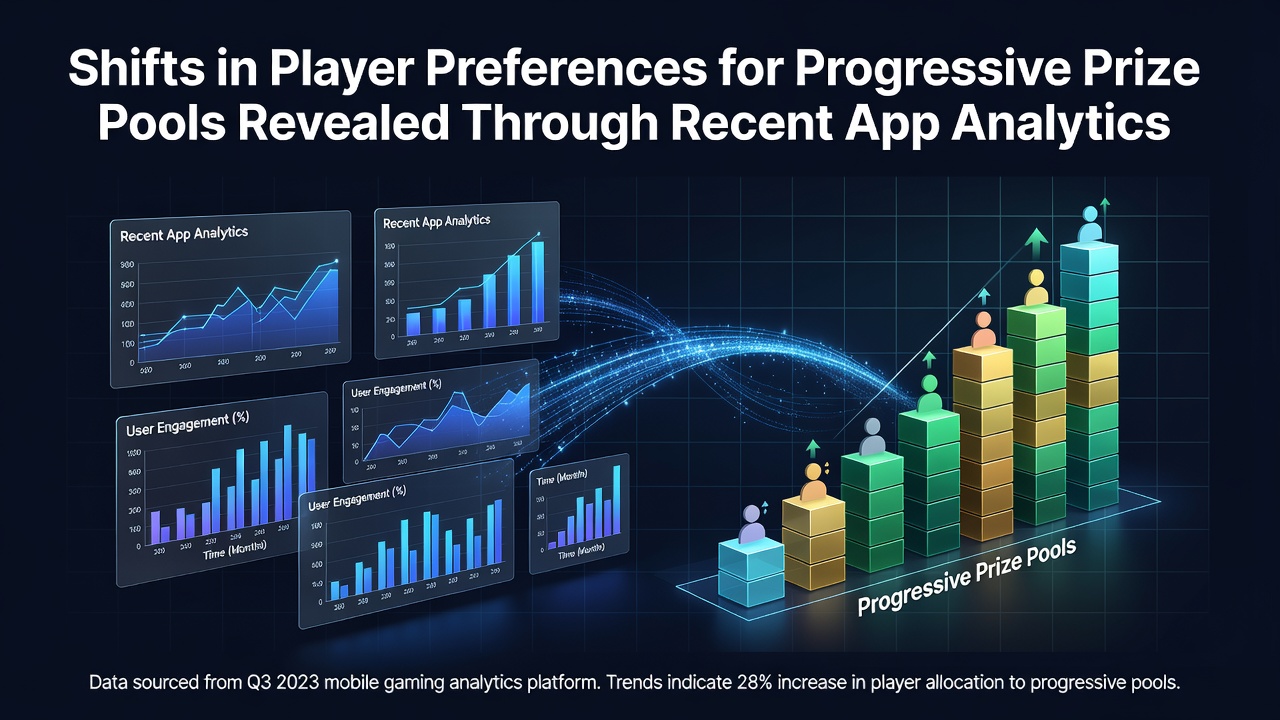
Recent analytics from mobile gaming platforms show players gravitating toward progressive prize pools that combine mid-tier triggers with larger shared networks, and this pattern has gained momentum through the first half of 2026. Data collected across multiple operators indicates a measurable decline in sessions focused solely on life-changing mega jackpots, while participation in pools that reset more frequently and offer smaller but consistent payouts has risen steadily. Observers note that app-based tracking tools now capture session length, bet sizing patterns, and contribution rates with greater precision than earlier desktop systems allowed, which makes these preference shifts easier to quantify.
Tracking Mechanisms Behind the Data
Developers integrate real-time telemetry that records how users allocate wagers across different progressive tiers, and this granular information reveals preferences for structures where multiple smaller pools run simultaneously rather than one dominant jackpot. Figures from app stores and internal dashboards show increased session counts on titles that feature tiered progressives, with users often switching between pools within the same app. Researchers at institutions such as the University of Nevada, Las Vegas have examined similar datasets and found that players complete more spins when they perceive a realistic path to a prize within 500 to 1,000 spins instead of waiting for rare mega hits.
Geographic and Platform Variations
Analytics from North American markets demonstrate stronger engagement with state-linked progressive networks that distribute contributions across several games, whereas European app users show higher activity in operator-specific pools that reset daily or weekly. In August 2026 several major platforms introduced updated dashboards that let players view live contribution percentages and historical hit frequencies, and these features coincided with further redistribution of play toward mid-range prizes. Reports from the New Jersey Division of Gaming Enforcement highlight parallel trends in regulated online environments, where mobile traffic now accounts for the majority of progressive contributions yet concentrates on pools with shorter average cycles.
Mechanics Driving the Change
App developers have adjusted seed amounts and contribution percentages to favor quicker resets, and analytics confirm that these tweaks correlate with longer average playtimes per user. Players appear to favor formats where a portion of each bet feeds both a local mini-pool and a wider network, creating layered opportunities that keep engagement high even after a jackpot lands. Case studies from several studios show that titles incorporating both elements retain users 18 percent longer than single-pool counterparts, according to aggregated app performance metrics released in mid-2026.
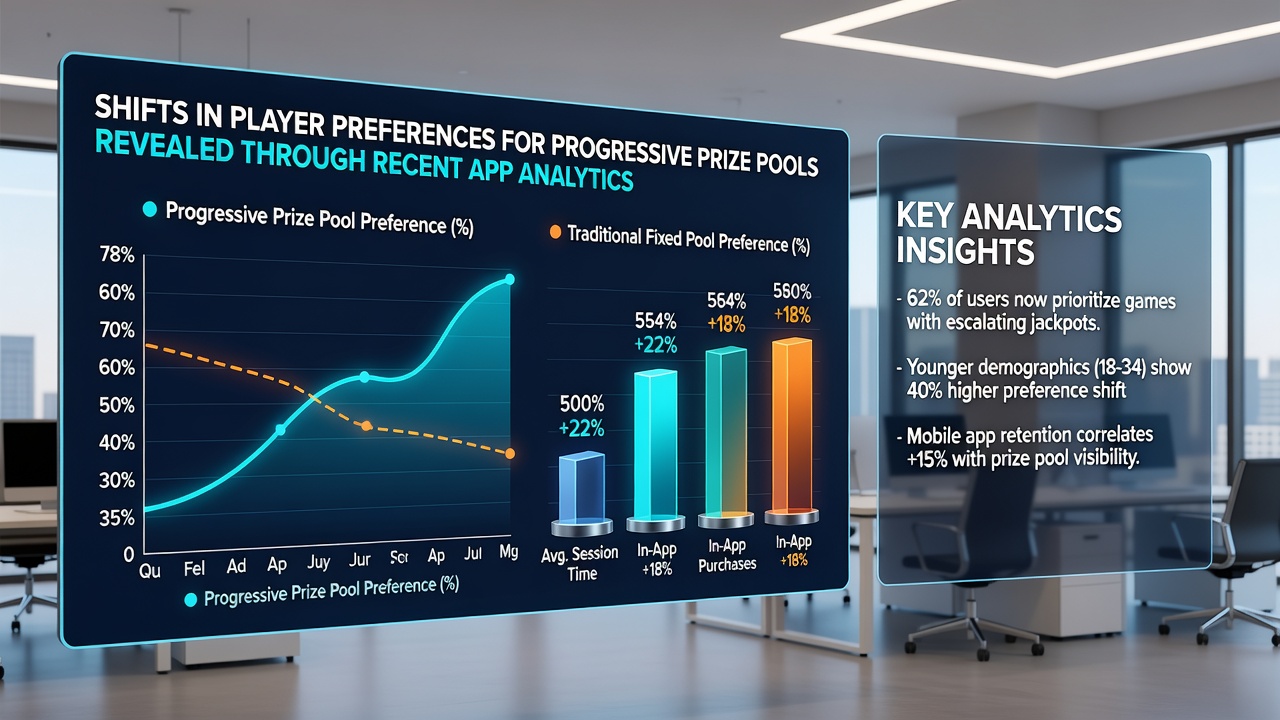
What's notable is how these patterns hold across different volatility settings, with low-volatility games that include progressives seeing the sharpest gains in daily active users. Data indicates that users often set personal targets based on visible pool sizes displayed in real time, and they adjust bet levels accordingly rather than chasing distant top prizes. Industry organizations such as the Canadian Gaming Association have documented similar behaviors in cross-platform studies, noting that transparency features in apps influence how quickly players move between different progressive options.
Implications for Future Development
Studios now prioritize modular progressive engines that can be tuned based on live analytics feeds, allowing rapid adjustments to seed values or network sizes when user data signals a preference shift. This approach has led to more frequent updates in August 2026, with several titles releasing balance patches that increased the number of active prize pools per game. App stores report higher download retention for products that display clear contribution breakdowns and historical payout timelines, suggesting players value predictability alongside the chance element.
Conclusion
App analytics continue to document a clear movement toward diversified progressive prize pools that balance frequency and scale, and operators are responding by refining network structures and transparency tools. These changes reflect measurable player behavior captured through mobile data streams rather than speculation, and they point toward ongoing refinement of how progressives integrate with broader game design. As tracking capabilities improve, further adjustments to pool mechanics are expected to follow the same data-driven patterns observed through the current year.