Expanding Reel Structures and Their Effects on Volatility in Digital Slots
Sam Werner · Aug 2, 2026
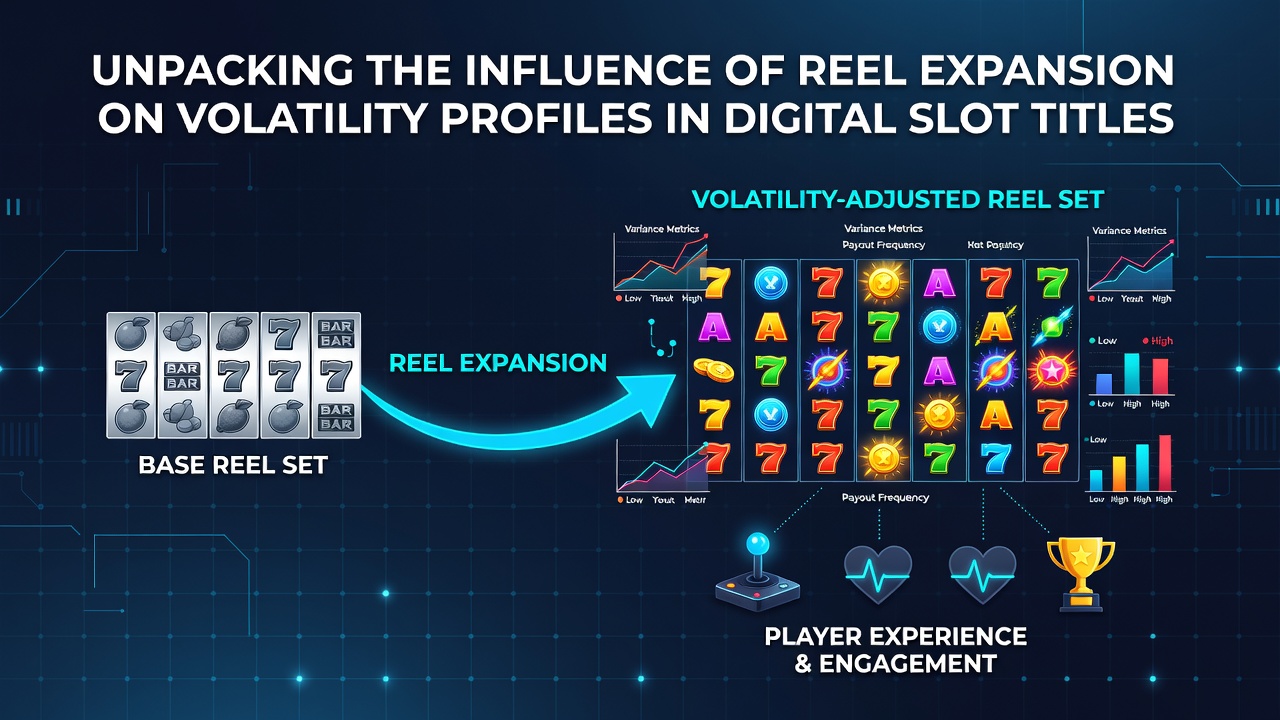
Expanding Reel Structures and Their Effects on Volatility in Digital Slots
Reel expansion features have become central to many digital slot titles over the past decade, and they directly shape how volatility manifests across different games, with developers incorporating systems that add rows or symbols during play to alter payout distributions in measurable ways. Data from industry analyses show that titles using Megaways or Infinity Reels formats produce distinct volatility curves compared to fixed-reel counterparts, because the number of possible outcomes scales with each expansion step.
Core Mechanics Behind Reel Growth
Developers implement reel expansion through several established methods, including cascading symbols that remove winning combinations and drop new ones into place, or progressive reel additions that unlock extra positions after specific triggers occur. These systems increase the total ways to win from a base range of 100 or so combinations up to several thousand, which changes the frequency and size of returns without necessarily shifting the overall return-to-player percentage. Observers note that such mechanics require careful calibration of symbol weighting, since larger reel states introduce more low-value combinations alongside occasional high-value clusters.
Research from the Alcohol and Gaming Commission of Ontario indicates that games with dynamic reel heights tend to cluster payouts differently than static designs, with medium-volatility profiles appearing more often when expansions occur in controlled increments rather than through random multipliers alone. The design choice affects hit rates, as each added row multiplies potential outcomes while the underlying random number generator maintains consistent probability distributions across all states.
Volatility Calculation in Expanded Formats
Volatility in slots measures the spread between frequent small returns and infrequent large ones, and reel expansion modifies this spread by expanding the outcome space during active sequences. When a game moves from a standard five-by-three grid to a six-row configuration, the probability mass redistributes across more combinations, which can lower the base hit frequency while raising the ceiling for chained events. Studies compiled in academic reviews of gambling mathematics demonstrate that variance increases nonlinearly with reel size, because the tail ends of the distribution capture rare alignments of high-value symbols across the newly available positions.
Engineers adjust paytable values and feature triggers to keep the intended volatility band stable, yet the expansion layer still introduces additional layers of variability that players experience through extended bonus rounds or respin sequences. Figures from provider white papers reveal that titles released with Infinity Reels structures often register higher standard deviation scores in simulation runs than their fixed-reel predecessors, even when both share identical theoretical return percentages.
Observed Patterns Across Recent Releases
Multiple providers have introduced reel-expansion titles that reached international markets by August 2026, and testing data collected from those launches show consistent shifts in session-length volatility metrics. Games employing stacked multiplier expansions during free-spin modes produce longer dry spells punctuated by amplified wins, whereas incremental row-addition systems generate steadier medium-sized returns across more spins. Industry reports compiled by the American Gaming Association highlight that operators tracking player engagement metrics see measurable differences in session duration when expansion depth exceeds four additional rows per reel.
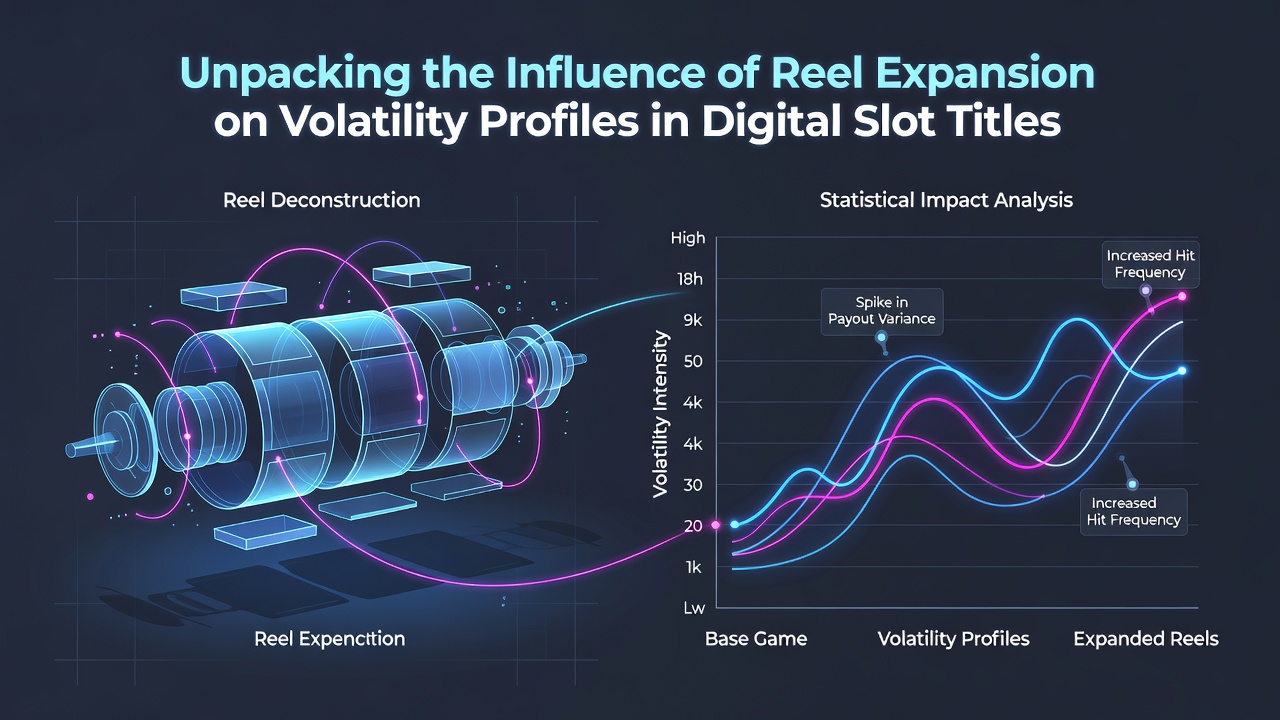
One documented case involves a series of games that layered cascading expansions on top of a base Megaways framework, resulting in volatility profiles that moved from medium to high once the maximum reel height activated. Simulation outputs from those titles indicate that the probability of reaching the top multiplier tier rises with each successive expansion stage, which stretches the distribution curve further into the upper range while compressing lower-end returns.
Regulatory and Technical Considerations
Regulatory frameworks in several jurisdictions require independent verification of volatility claims for titles that use variable reel states, because the expanded outcome sets can produce wider confidence intervals in short-term play data. Testing laboratories therefore run millions of simulated spins across all possible reel configurations to confirm that advertised volatility bands remain accurate when expansions trigger at their highest frequency. Technical documentation from these labs shows that symbol distribution tables must be recalibrated for each expansion level to prevent unintended clustering of premium symbols in the largest reel states.
Developers address this by applying weighted random selection that scales with reel height, ensuring the overall mathematical model stays within certified parameters regardless of how many rows become active during a given spin sequence. Data collected through these certification processes confirm that properly balanced expansion systems maintain consistent long-term return percentages even as short-term variance fluctuates with reel size.
Conclusion
Reel expansion continues to serve as a primary tool for differentiating volatility profiles in digital slot titles, with each new implementation layer adding measurable complexity to payout distributions. Evidence gathered from regulatory testing, academic reviews, and provider simulations demonstrates that these mechanics reliably alter hit frequencies and return spreads when reel heights increase, provided the underlying symbol weights and trigger conditions receive appropriate calibration. As additional titles featuring advanced expansion engines enter circulation, the relationship between reel growth and volatility remains a central factor in game mathematics and certification standards across multiple markets.