Loyalty Tiers and Custom Bonuses in Digital Reel Platforms: An Examination
Taylor Schmidt · Aug 16, 2026
Loyalty Tiers and Custom Bonuses in Digital Reel Platforms: An Examination
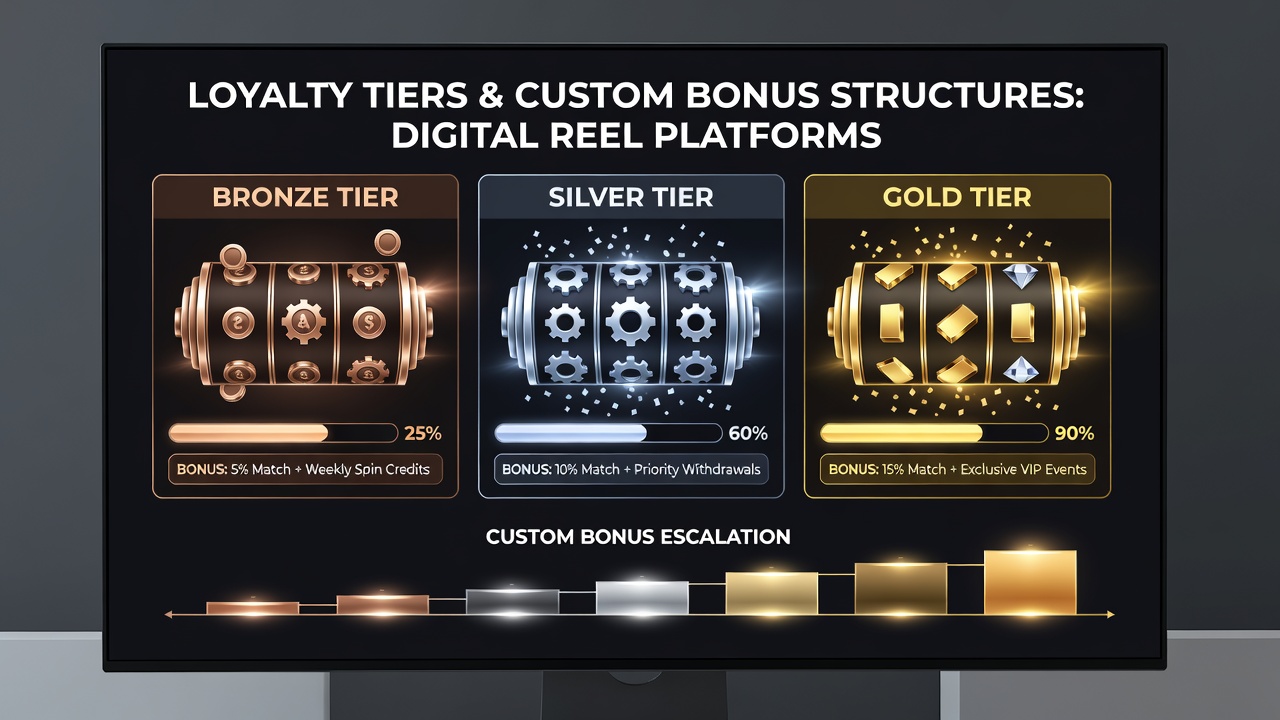
Digital reel platforms operate loyalty programs that segment players into distinct tiers, and these divisions directly influence the design of custom bonus structures across many online slot environments. Operators assign players to levels such as entry, intermediate, and premium based on wagering volume, frequency, and account tenure, while each tier unlocks specific bonus parameters that differ in value, flexibility, and delivery method.
Defining Tier Frameworks in Slot Ecosystems
Entry-level tiers typically grant access to standard free spin allocations and modest deposit matches, whereas mid-tier status introduces elements like enhanced multipliers on select reel titles and accelerated cashback percentages. Premium tiers incorporate bespoke features, including personalized game selections, higher withdrawal limits on bonus winnings, and tailored reload offers that adjust according to individual play patterns. Data from industry reports show these structures encourage sustained engagement because the progression between tiers alters the reward calculus for participants.
Platform algorithms track metrics such as total spins completed and average bet size to determine tier eligibility, and operators recalibrate bonus formulas when players cross thresholds. This dynamic adjustment creates a feedback loop where higher tiers receive more granular customization, ranging from exclusive event invitations to variable RTP modifiers on featured slots. Observers note that the process relies on real-time data aggregation rather than static schedules.
Mechanics of Custom Bonus Construction
Custom bonuses emerge through rule sets that scale with tier status, so a player in an intermediate tier might receive free spins with lower wagering requirements compared to base-level accounts, while premium members gain options to select specific reel mechanics or volatility profiles. Providers integrate these rules into their backend systems, allowing automated delivery of offers that align with documented player preferences gathered from session histories. Figures from regulatory filings in multiple jurisdictions reveal consistent patterns where tier advancement correlates with increased bonus redemption rates.
Take one operator that structures its top tier around a points-per-spin model, and those accumulated points convert into hybrid rewards combining cashback with multiplier boosts on progressive titles. The system permits users to allocate portions of their tier benefits across different bonus types, which creates additional layers of personalization not available at lower levels. Similar frameworks appear in platforms operating under oversight from bodies such as the Nevada Gaming Control Board, where compliance documentation outlines how loyalty data informs bonus parameterization.
Regional Variations and Data Trends
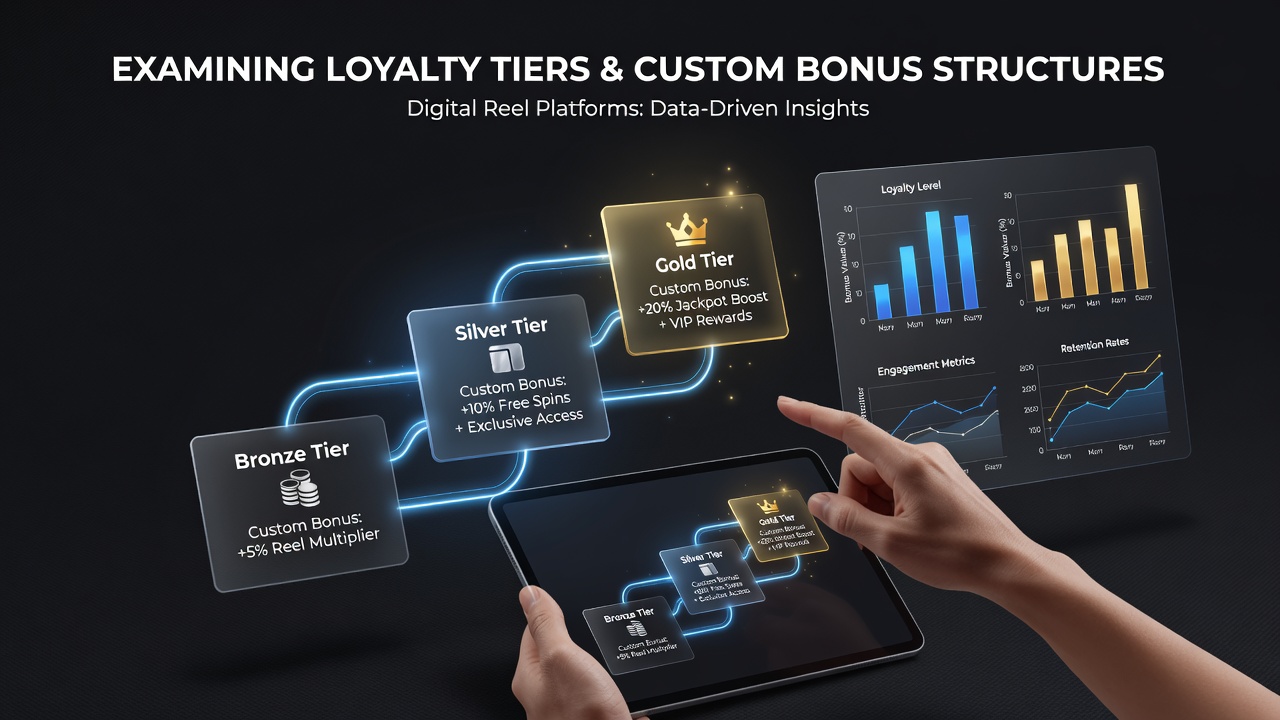
European markets demonstrate comparable tier systems, yet operators there often incorporate seasonal adjustments tied to regulatory calendars, including shifts anticipated around August 2026 that affect bonus transparency requirements. Canadian provincial frameworks, including those managed by iGaming Ontario, emphasize audit trails for custom offers, ensuring that tier-based modifications remain verifiable and non-discriminatory. Research from the University of Nevada, Las Vegas International Gaming Institute indicates that tier differentiation accounts for measurable differences in player retention metrics across sampled platforms.
Bonus structures in these environments frequently bundle elements such as reel-specific multipliers, deposit threshold reductions, and time-limited access to high-volatility titles. Mid-tier players might encounter offers that combine partial cashback with selectable free spin quantities, whereas top-tier accounts receive fully configurable packages that include priority customer support integration. These combinations reflect data-driven decisions rather than uniform templates applied across all users.
Implementation Patterns Across Providers
Multiple providers deploy tiered loyalty engines that interface directly with slot engines, allowing real-time updates to bonus triggers based on current tier status. One documented case involved an operator adjusting free spin values mid-campaign when players reached a new tier, resulting in altered wagering multipliers that scaled with account history. Such modifications rely on integrated player relationship management tools that process inputs from game logs and transaction records without manual intervention.
Trade associations including the European Gaming and Betting Association have published guidelines on loyalty program design, and these documents highlight how tier progression influences the scope of permissible customizations. Providers reference these frameworks when structuring offers that must satisfy both commercial objectives and jurisdictional standards. The resulting systems produce bonus sets that evolve alongside player activity, maintaining alignment between tier status and reward composition.
Conclusion
Loyalty tiers function as foundational inputs that determine the parameters of custom bonus structures within digital reel platforms, and the interplay between tier advancement and offer customization follows consistent operational patterns across examined markets. Data from regulatory sources and academic studies confirm that these mechanisms adjust reward delivery according to segmented player profiles while maintaining compliance with applicable oversight. Continued evolution in platform technology supports increasingly precise tailoring of bonuses to individual tier designations, shaping how operators manage engagement through structured reward systems.