Sensory Signals on Small Screens: Audio Cues and Visual Loops Extending Mobile Reel Sessions
Taylor Schmidt · May 17, 2026
Sensory Signals on Small Screens: Audio Cues and Visual Loops Extending Mobile Reel Sessions
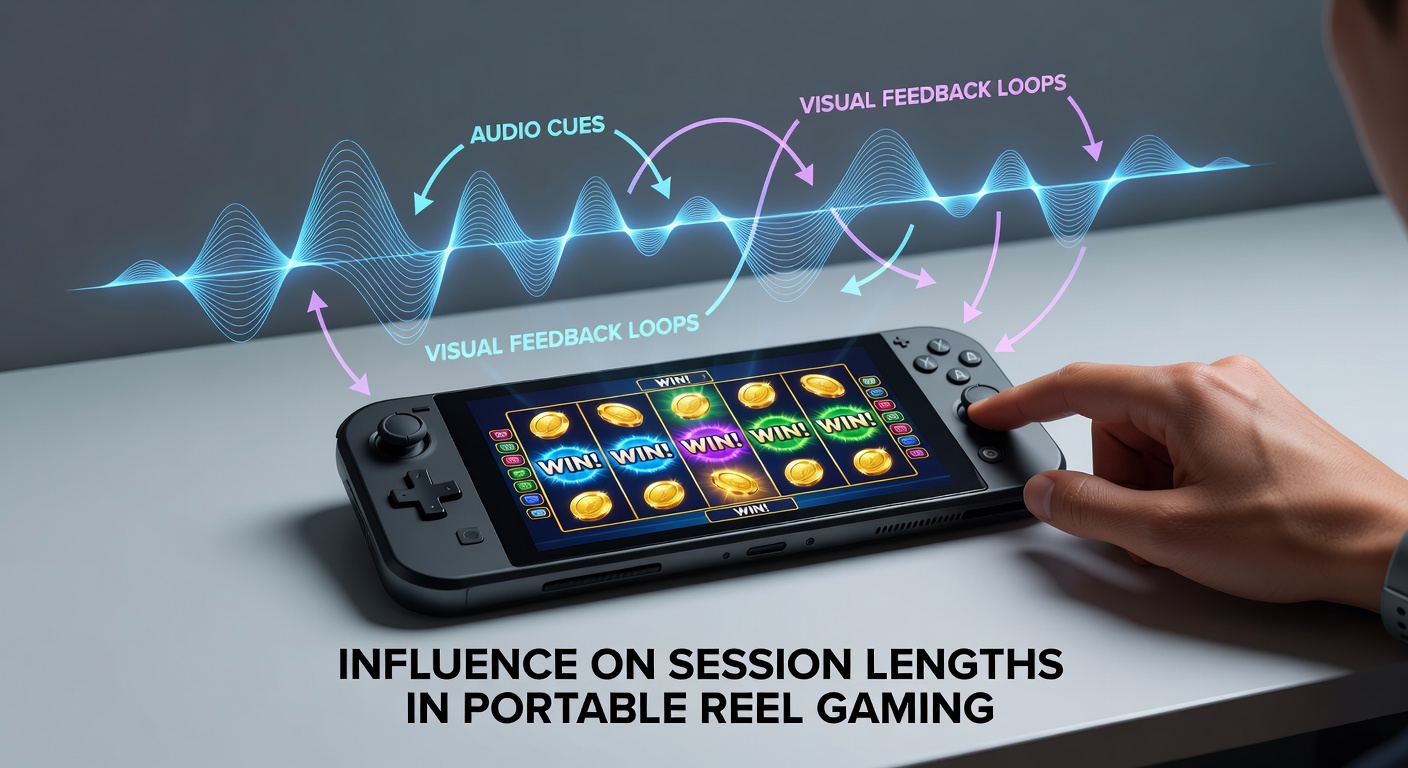
Portable reel gaming relies on carefully engineered audio cues and visual feedback loops that shape how long players stay engaged with spinning reels on handheld devices. These elements combine sounds like celebratory chimes with animations such as expanding symbols or accumulating meters, creating continuous cycles of anticipation and reward that researchers link directly to extended play durations across mobile platforms.
Audio Design Foundations in Handheld Reels
Developers integrate layered soundtracks that escalate in intensity during winning streaks, using rising tones and rhythmic builds to signal progress without requiring players to watch every frame. Studies from the Australian Gambling Research Centre show that distinct audio markers for near-misses and small wins trigger dopamine responses similar to those observed in physical casino environments, yet adapted for shorter attention spans typical of smartphone use. Observers note that these cues often repeat in patterns calibrated to average session data collected from millions of plays worldwide.
Sound effects vary by game theme, ranging from coin jingles in classic fruit machines to orchestral swells in adventure-based titles, and each variation correlates with measurable differences in how long users continue spinning before pausing. Data indicates that games employing adaptive audio, where volume and tempo shift based on current bet levels or streak counts, maintain higher retention rates compared to static sound designs.
Visual Feedback Loops and Their Mechanics
Visual elements operate through immediate responses such as reel glows, particle bursts, and progress bars that fill with each spin, forming closed loops where every action produces visible confirmation. These loops encourage repeated taps because the interface delivers constant updates on potential outcomes, reducing the mental effort needed to track results. Research published in Computers in Human Behavior highlights how animated counters that climb toward bonus thresholds keep users oriented toward longer-term goals within a single sitting.
Animations accelerate during bonus triggers, employing slow-motion effects and screen shakes to heighten perceived value of wins, while subtle background changes like shifting color palettes reinforce the sense of momentum. Those who've examined mobile analytics logs find that titles featuring persistent visual trackers, such as accumulating wild symbols or expanding grids, record average session extensions of several minutes beyond games without these features.
Combined Influence on Session Lengths
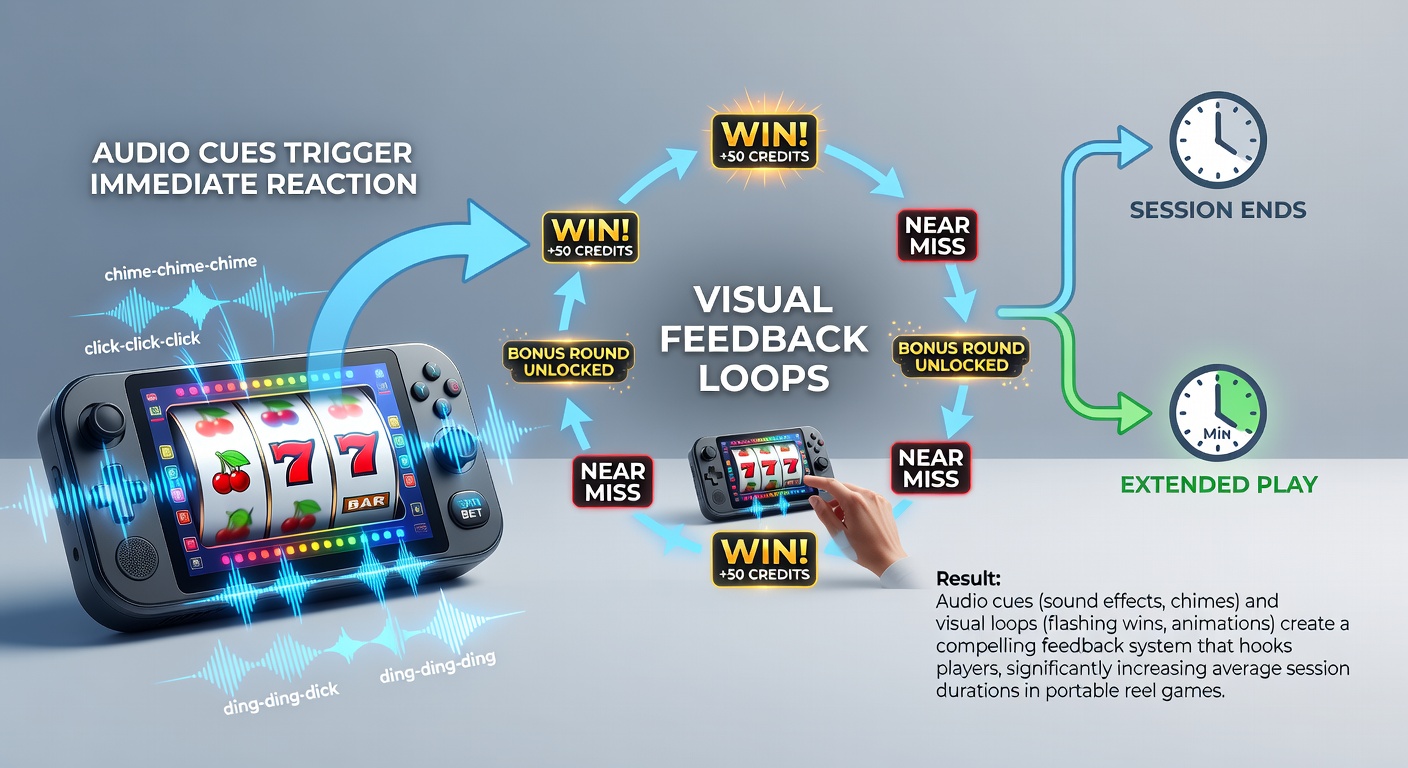
When audio cues align with visual loops, the combined effect strengthens behavioral reinforcement, as confirmed by session tracking from Canadian Centre for Addiction and Mental Health analyses released in early 2026. Players encounter synchronized moments where a winning sound coincides with an expanding graphic, prompting an immediate next spin to chase the heightened state. This synergy proves particularly effective on portable devices where notifications and quick-resume features already lower barriers to re-entry.
Figures reveal that sessions incorporating both sensory channels average 18 to 25 minutes longer than those limited to basic reel spins alone, according to aggregated industry telemetry shared at the 2025 International Gaming Summit. Designers adjust timing so visual highlights peak just as audio crescendos fade, creating seamless transitions that discourage breaks. Take one popular expanding-reel title where researchers tracked user behavior across different regions; the data showed consistent extensions when both cue types activated together during free-spin sequences.
Patterns Observed Across Game Types
Cluster-pay mechanics pair naturally with layered audio because scattered symbol collections generate distinct chimes for each group formed, while oversized icons trigger full-screen flashes that reset attention toward continued play. Megaways formats extend this further by varying reel heights, using escalating visual density alongside rising pitch tracks to mirror the increasing number of possible combinations. Players often discover that these combined systems maintain engagement even during losing streaks through near-miss visuals paired with teasing audio snippets.
Progress meters that unlock additional features after fixed spin counts demonstrate another layer, with each increment accompanied by both a visual fill and a confirmatory tone. As of May 2026, updated reports from mobile analytics platforms indicate that games refreshing these meters frequently record fewer early exits compared to older static designs.
Conclusion
Audio cues and visual feedback loops function as integrated systems that guide player attention and reinforce continued interaction in portable reel environments. Evidence from multiple international studies demonstrates their measurable impact on session durations through synchronized sensory reinforcement and adaptive response patterns. Designers continue refining these elements based on telemetry collected across diverse markets, producing games that sustain engagement through precise coordination of sound and sight.