Symbol Interaction Mechanics Driving Payout Variability in Slot Game Engines
Morgan Jung · Jun 23, 2026
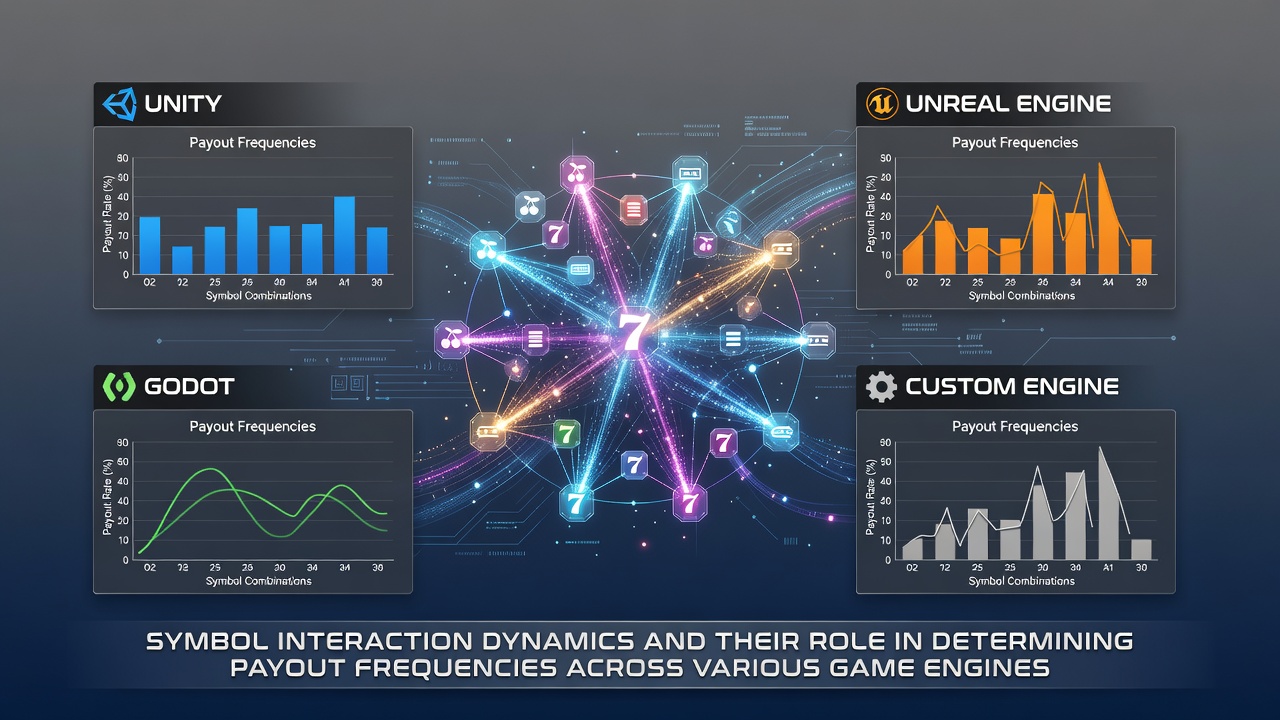
Symbol Interaction Mechanics Driving Payout Variability in Slot Game Engines
Symbol interaction dynamics form the core of how modern slot engines calculate outcomes and set payout frequencies, with combinations of wilds, scatters, and stacked icons creating layered probabilities that differ sharply across platforms. These mechanics operate through programmed rulesets where one symbol modifies another in real time, and developers adjust hit rates by altering interaction priorities rather than relying solely on base reel strips.
Core Symbol Categories and Their Baseline Functions
Standard symbols deliver fixed payouts when aligned in paylines, yet their frequency depends on how often the engine samples the random number generator during each spin cycle. Wild symbols substitute for most others to complete winning lines, and when multiple wilds appear together they often trigger additional multipliers that compound the base award, which shifts the overall distribution of returns across thousands of simulated spins. Scatter symbols bypass payline requirements entirely, activating bonus rounds based on count alone, and this independence from line geometry allows engines to tune bonus hit rates separately from regular symbol combinations.
Interaction Layers That Alter Frequency Outcomes
When wilds land adjacent to high-value symbols the engine applies substitution logic first, then checks for multiplier effects in a single evaluation pass, and this sequencing prevents double-counting while still elevating average returns per hit. Cascading or tumbling features remove winning symbols after payout and drop new ones into place, which extends a single spin into multiple resolution steps and increases the number of winning opportunities without changing the underlying reel probabilities. Observers note that engines using expanding wilds during free spins raise the density of substitute icons across the grid, thereby lifting payout frequency for the duration of the feature while the base game maintains its original hit rate.
Engine-Specific Implementation Differences
Some game engines process symbol interactions sequentially from left to right while others evaluate the entire grid simultaneously, and the choice affects how overlapping wild clusters resolve when multiple paylines intersect. Reel Kingdom engines expand grids outward with each win in certain titles, adding columns that introduce fresh symbol positions and raise the chance of continued cascades. Other platforms apply hold-and-win mechanics where special coin symbols lock in place and respin the remaining reels, locking payout potential into a contained sequence that delivers frequent small awards before the feature concludes.
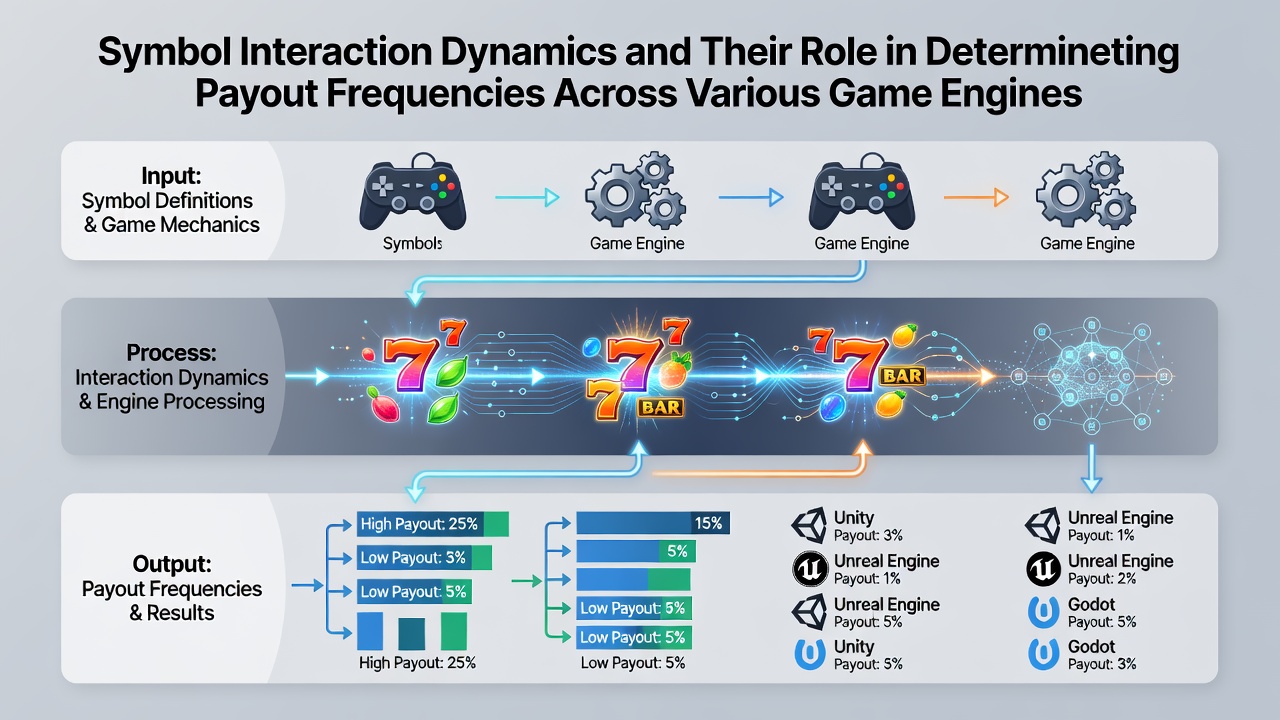
Multipliers attached to wilds or bonus symbols stack additively or multiplicatively depending on the engine rules, and this distinction produces measurable differences in payout variance when tested across large sample sizes. Data from industry reports indicates that engines allowing multiplier symbols to persist across cascades generate longer chains of elevated returns compared with those that reset multipliers after each resolution step.
Mathematical Modeling of Interaction Effects
Developers model these dynamics using weighted reel strips combined with interaction matrices that assign priority values to each symbol type, and adjustments to those matrices directly influence the frequency of bonus triggers without altering the overall return-to-player percentage. Research from gaming laboratories shows that introducing stacked wilds on specific reels increases the probability of five-of-a-kind outcomes by concentrating substitutes in high-impact positions, while scatter placement on all reels equalizes bonus access across the reel set. Those who analyze engine logs find that interaction rules for adjacent symbols create emergent patterns where certain combinations appear more often than independent probability calculations would predict.
Regional Regulatory Data and Cross-Market Comparisons
Figures released by the New Jersey Division of Gaming Enforcement reveal consistent patterns in how symbol interaction features contribute to session-level hit rates across certified titles, with cascading mechanics correlating to higher numbers of resolved outcomes per spin. Australian regulatory summaries from the Victorian Commission for Gambling and Liquor Regulation similarly document elevated bonus activation rates when engines incorporate persistent wild multipliers, and these datasets allow comparison of payout distributions between markets that license different engine providers. Trade analyses from the Canadian Gaming Association further illustrate that games employing expanding reel interactions maintain stable frequency metrics even as player volumes fluctuate, underscoring the robustness of the underlying symbol logic.
Conclusion
Symbol interaction dynamics ultimately determine payout frequencies by layering substitution, multiplier, and feature-trigger rules onto base reel mathematics, and the specific implementation choices made within each game engine produce distinct outcome distributions that regulators and analysts track through large-scale testing. Continued refinement of these interaction systems across global markets supports consistent performance reporting while enabling varied gameplay experiences.