The Hidden Algorithms Fueling Random Number Generators in High-Volume Casino Applications
Sam Werner · Jul 7, 2026
The Hidden Algorithms Fueling Random Number Generators in High-Volume Casino Applications
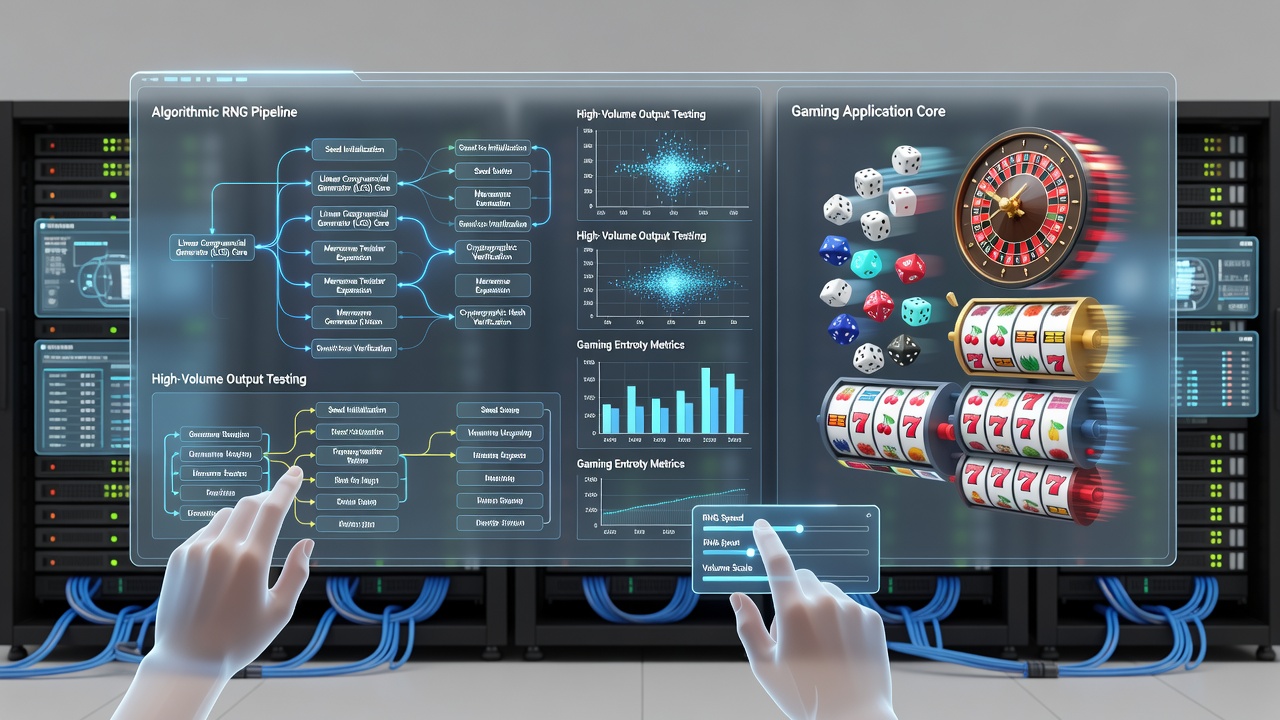
Random number generators sit at the center of every digital gaming platform, and their algorithmic designs determine how outcomes unfold across thousands of simultaneous sessions. In high-volume environments operators rely on systems that produce sequences fast enough to handle millions of calls per second while maintaining statistical integrity that meets certification standards. Researchers have documented how these generators blend mathematical functions with hardware entropy sources to create results that pass rigorous testing protocols from independent labs.
Core Distinctions Between True and Pseudo Approaches
True random number generators draw from physical phenomena such as thermal noise or quantum fluctuations, yet their slower output rates make them impractical for real-time slot reels that demand instant results. Pseudo-random number generators fill this gap by using deterministic algorithms seeded with external entropy that produce sequences passing statistical batteries like Diehard and NIST suites. Observers note that most commercial platforms combine both methods, pulling fresh seeds from hardware modules at regular intervals while the main computation runs through efficient software routines.
Common Algorithm Families in Production Use
Linear congruential generators remain popular in older systems because their simple multiplication and modulus operations execute quickly on embedded hardware, although modern titles have largely moved beyond them due to detectable patterns in long sequences. Mersenne Twister implementations appear frequently in mid-tier games, delivering periods exceeding 2^19937-1 and strong equidistribution properties that help satisfy regulatory audits. More recent deployments incorporate cryptographically secure options such as AES-based counters or SHA-256 hash chains, which resist reverse-engineering attempts even when attackers obtain partial output streams.
Scaling Challenges in High-Volume Deployments
When platforms process peak loads during promotional events or major sporting calendars, RNG modules must maintain sub-millisecond latency across distributed server clusters. Engineers achieve this by partitioning seed pools across multiple cores and employing lock-free data structures that prevent contention. Studies from the University of Waterloo's gaming technology lab have shown that careful memory alignment and vectorized instructions can increase throughput by factors of three without compromising randomness quality. Data from the Nevada Gaming Control Board indicates that certified systems routinely demonstrate failure rates below one in ten billion trials under sustained load testing.
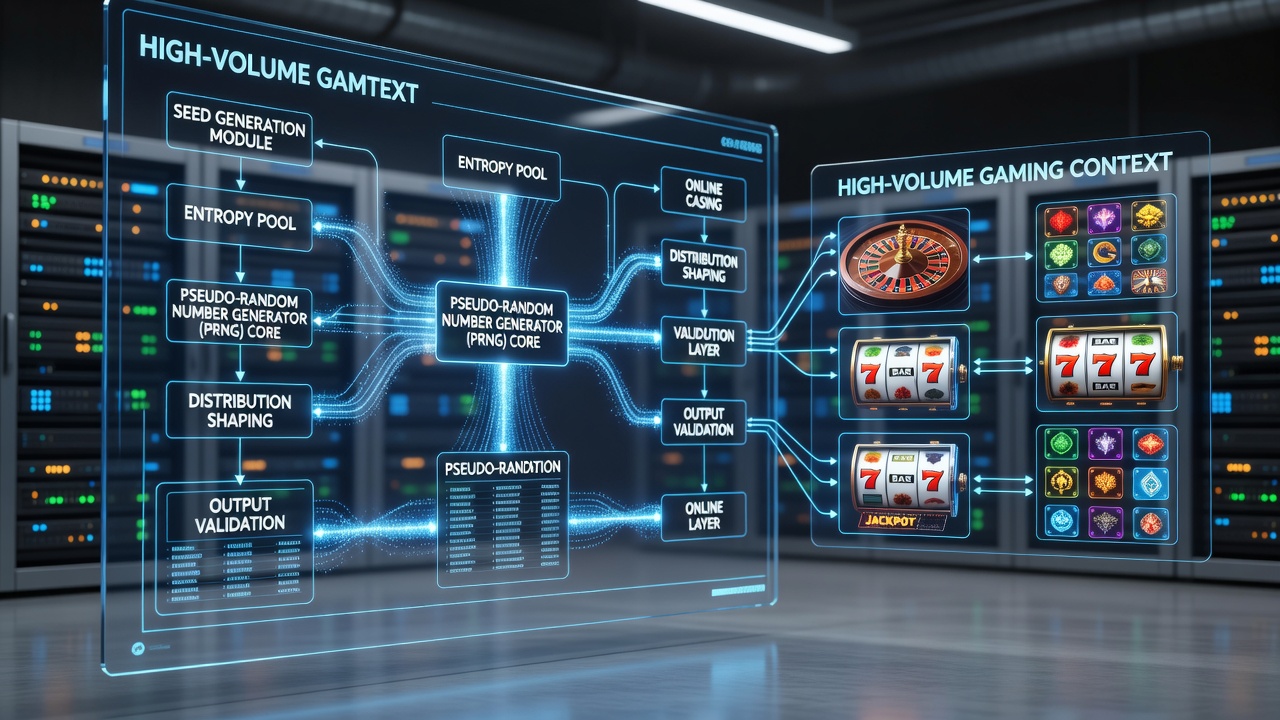
Certification bodies require continuous monitoring rather than one-time approval, so operators integrate runtime health checks that flag deviations from expected statistical distributions. When anomalies surface, systems automatically reseed from secondary entropy sources and log events for later review. This approach proved especially relevant ahead of the July 2026 regulatory updates in several jurisdictions, where enhanced audit trails for RNG behavior became mandatory for license renewal.
Security Measures Against Prediction Attacks
High-volume environments attract sophisticated threat actors who might attempt to model generator states from observed outcomes. Developers counter these risks by incorporating forward and backward secrecy properties, ensuring that knowledge of one output reveals nothing about previous or future values. Periodic reseeding from multiple independent sources, combined with cryptographic whitening functions, further reduces predictability. Industry reports from the European Gaming and Betting Association highlight that platforms adopting these layered defenses have recorded zero successful state-compromise incidents across millions of player sessions in recent audits.
Testing Frameworks and Ongoing Validation
Independent laboratories subject RNG implementations to thousands of statistical tests covering uniformity, serial correlation, and poker-hand distributions among other metrics. Passing these suites earns the certificates operators display on their platforms. Yet the process does not end at launch, because live data feeds back into regression suites that compare real-world behavior against laboratory baselines. When discrepancies appear, teams isolate the affected module and apply targeted patches without disrupting service.
Conclusion
Algorithmic designs behind random number generators continue to evolve alongside hardware capabilities and regulatory expectations. High-volume gaming applications depend on the careful balance of speed, statistical quality, and resistance to analysis that these systems deliver. As new standards take effect in 2026 and beyond, the same foundational techniques will underpin the next generation of certified platforms while adapting to increased scrutiny and larger transaction volumes.